About CSSM
Description of mission / research objectives / organizational goals.
3 Pillars -> Information on CSSM's ability to develop solutions in food security, climate change and clean water.
Description of mission / research objectives / organizational goals.
3 Pillars -> Information on CSSM's ability to develop solutions in food security, climate change and clean water.
ForestSHARE stands for Forest Soil Health Assessment, Research, and Extension. The goals of this program is to:
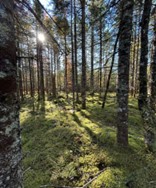
Soil extension bridges the gap between research and land management. It provides woodland owners with easy access to the latest knowledge about how to care for their land. Many landowners don’t have time to dig through scientific studies—extension programs make it easier to find and apply helpful information.
In forestry, a soil extension program can help landowners understand soil test results and adopt beneficial management practices. These might include:
Soil health is commonly defined as “the capacity of soil to function and support plants, animals, and humans.” It is measured through a suite of physical, chemical, and biological properties. One of the best ways to assess it is through soil testing.
A soil test reveals what’s happening beneath the surface. A small sample can show acidity (pH), nutrient levels, and microbial activity. This information is valuable for woodlot owners. Interpreting soil test results in the context of the local ecosystem is crucial. Even within the same region, soil conditions can vary dramatically. Understanding these differences helps tailor management decisions to specific sites.
To better understand forest soil health in Nova Scotia, we’re conducting a three-year soil sampling program. We will collect 1,700 samples from 850 locations across the province and test them for key properties,
including:
Sampling locations are chosen based on ecosites—unique combinations of soil, vegetation, and forest type as defined by the Forest Ecosystem Classification guide for Nova Scotia. This approach helps us understand how forest types influence soil health and supports the development of ecosite-specific management recommendations.
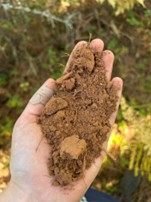
Once analyzed, these samples will be used to establish baseline values for forest soils in Nova Scotia. These baselines act as reference points for what’s considered “normal” in healthy forest soils. Over time, future tests can be compared to these values to track changes and identify whether soil conditions are improving, stable, or declining.
ForestSHARE looks at soil health through two lenses:
Supporting Private Woodlot Owners:
Access to soil data can help landowners make informed decisions about harvesting and forest care—whether to boost productivity or promote sustainability.
Building Resilient Forests:
Healthy soils grow strong forests. These forests store more carbon and are more resilient to climate change and other environmental stressors.
As a woodlot owner:
If you are approached by a ForestSHARE representative, you can support the program by granting access to your land and sharing information about past forest management activities.
As a forest professional:
If you're interested in collecting soil samples, compensation is available. Samplers must be FEC-certified and complete a short, project-specific training course.
This project is working with partners at Debbie A. Reeves Forestry, the Family Forest Network, Dalhousie University, the Department of Natural Resources, Nova Scotia Community Colleges, and Genome Atlantic.
Please reach out to:
Caitlin McCavour: caitlin.mccavour@dal.ca
Kevin Keys: kevinkeys.ffn@gmail.com
Debbie Reeves: debbie.reevesforestry@gmail.com